
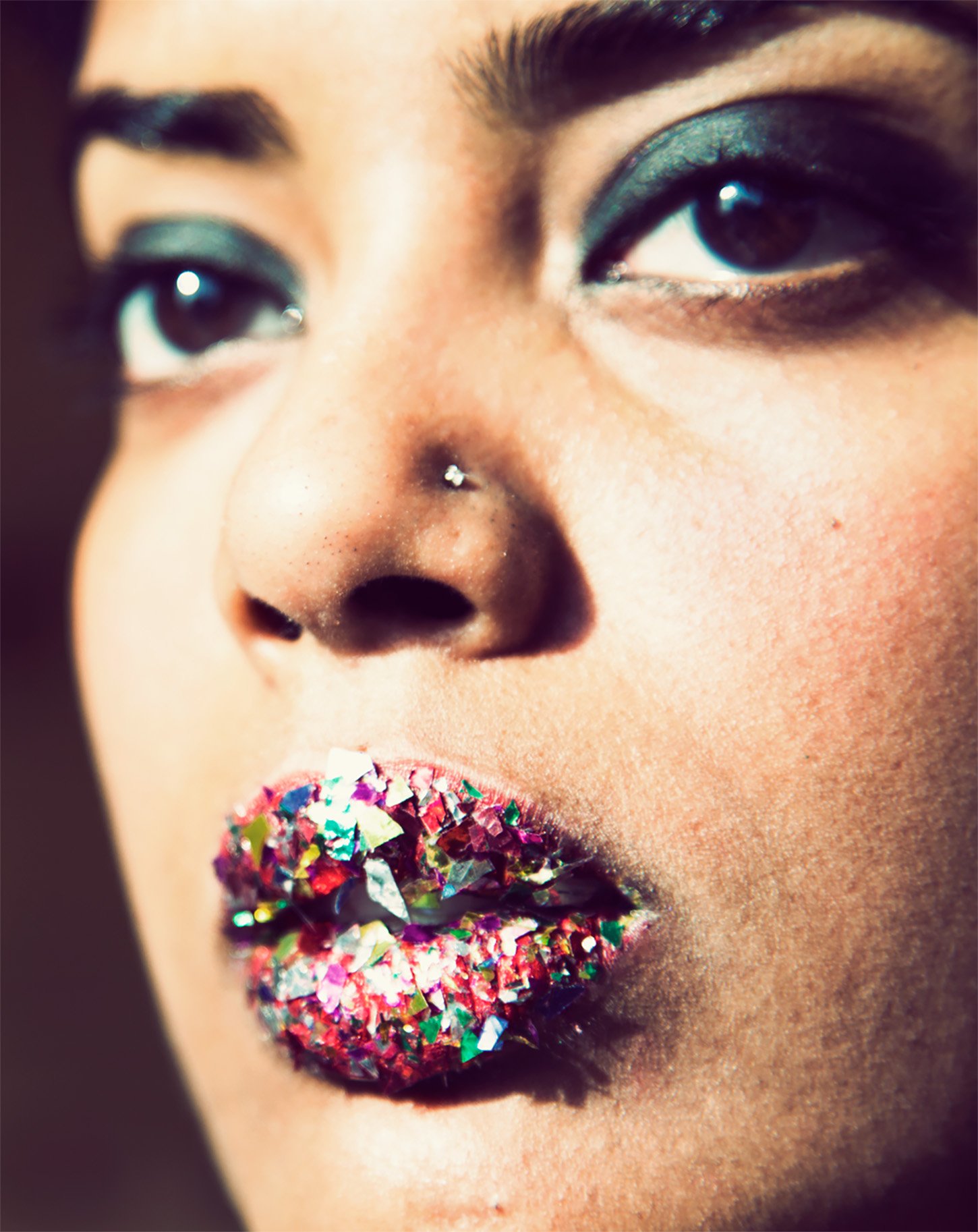
Using PLAY to help you embrace the





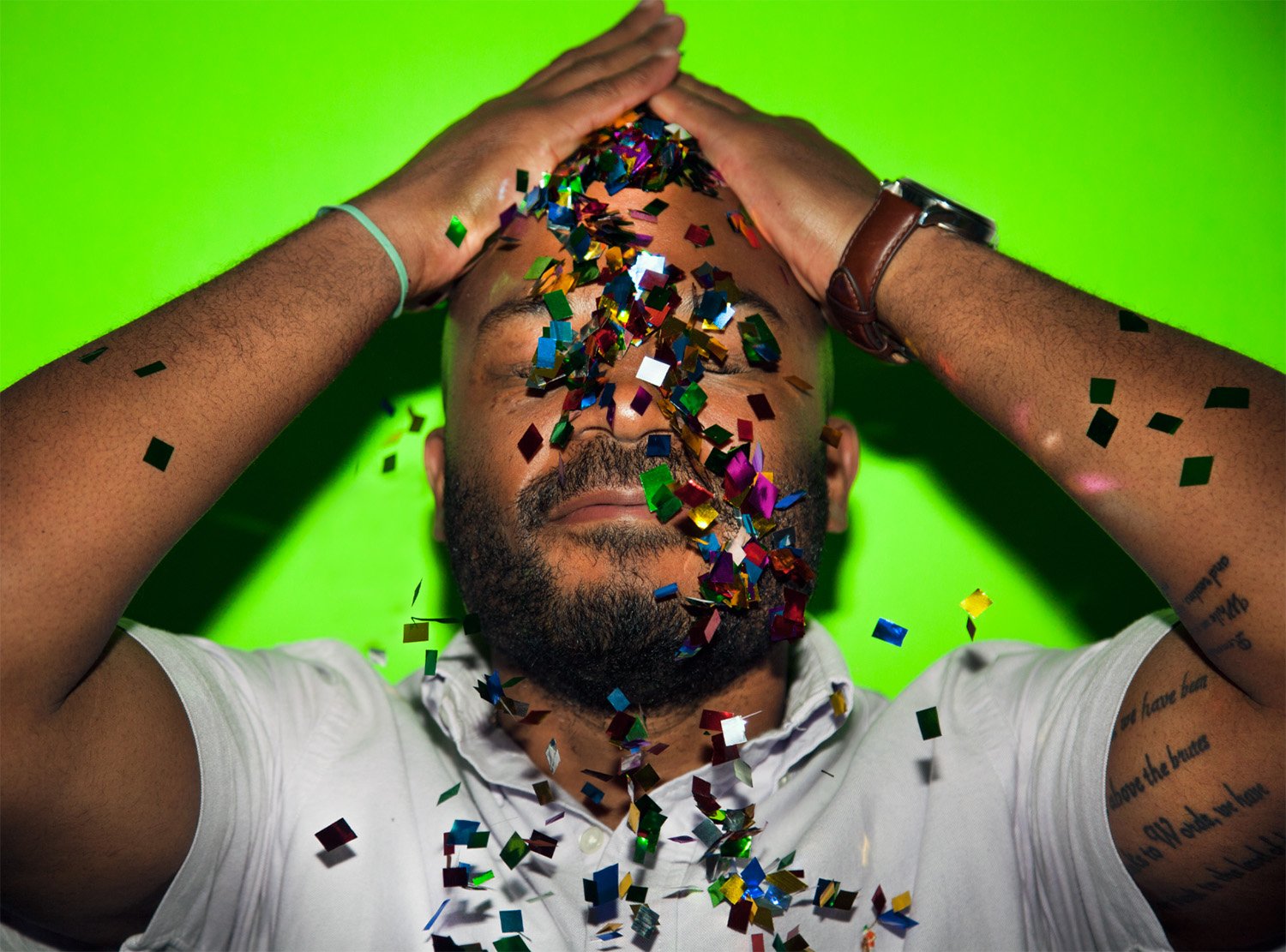




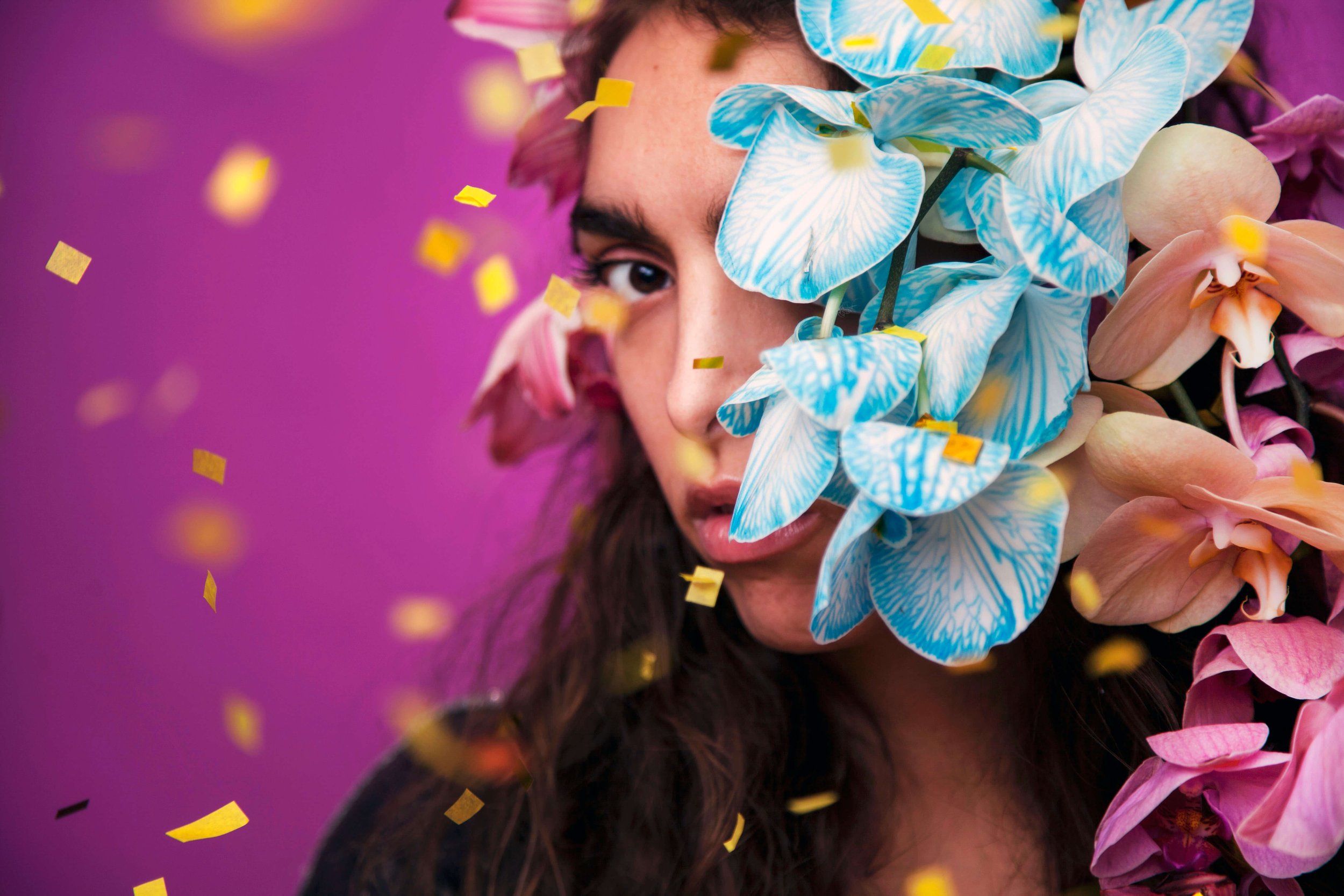


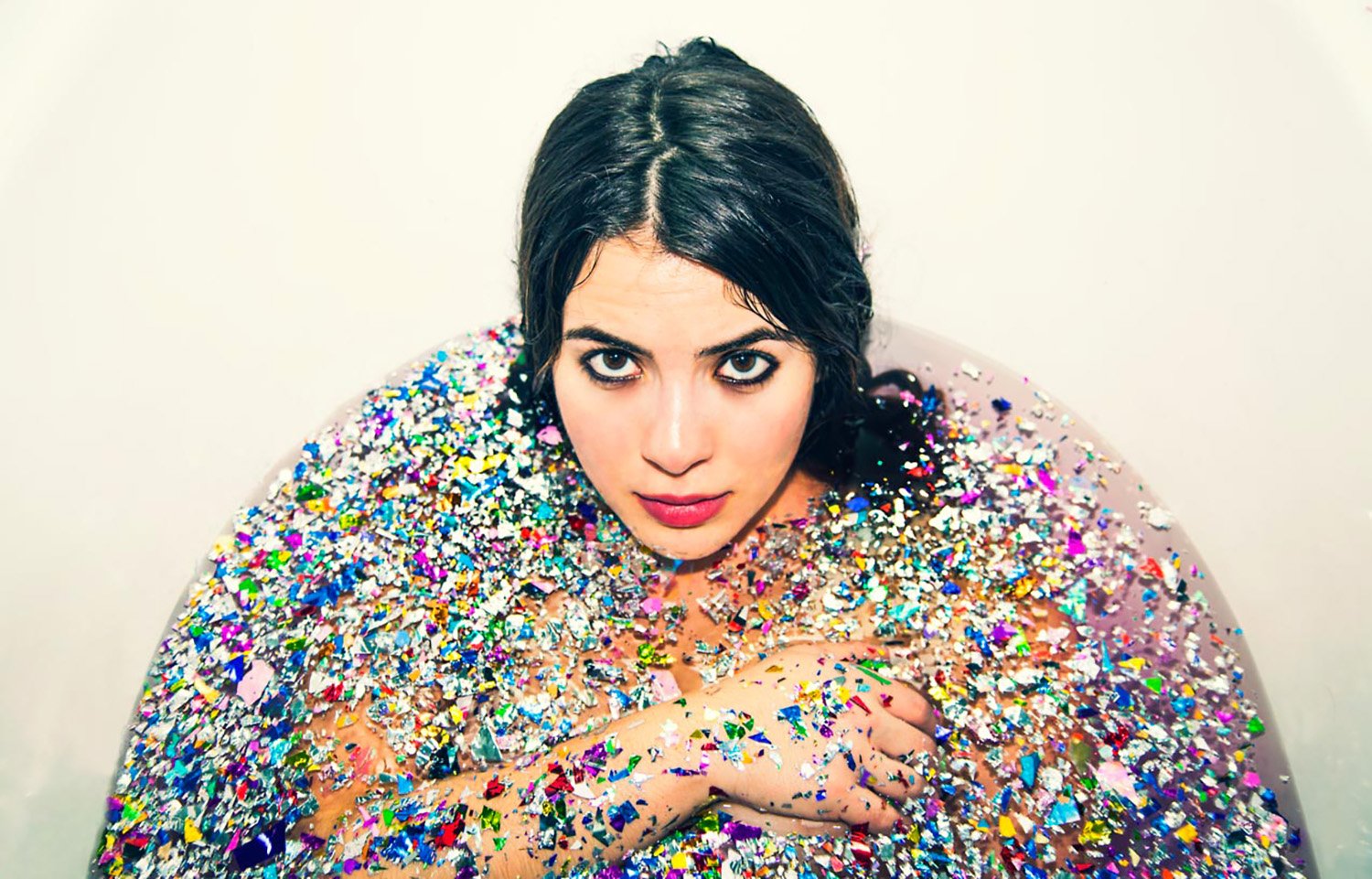


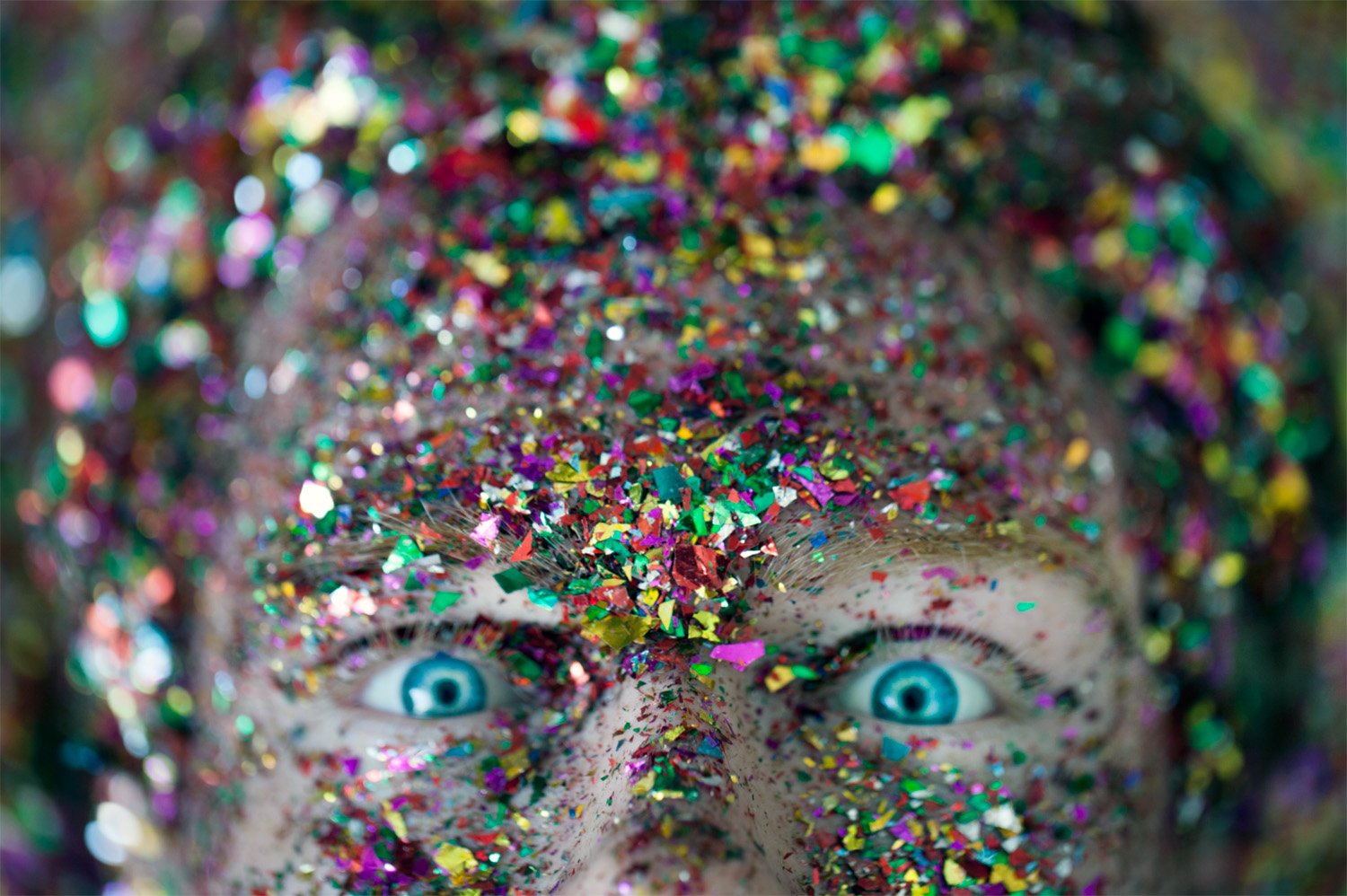






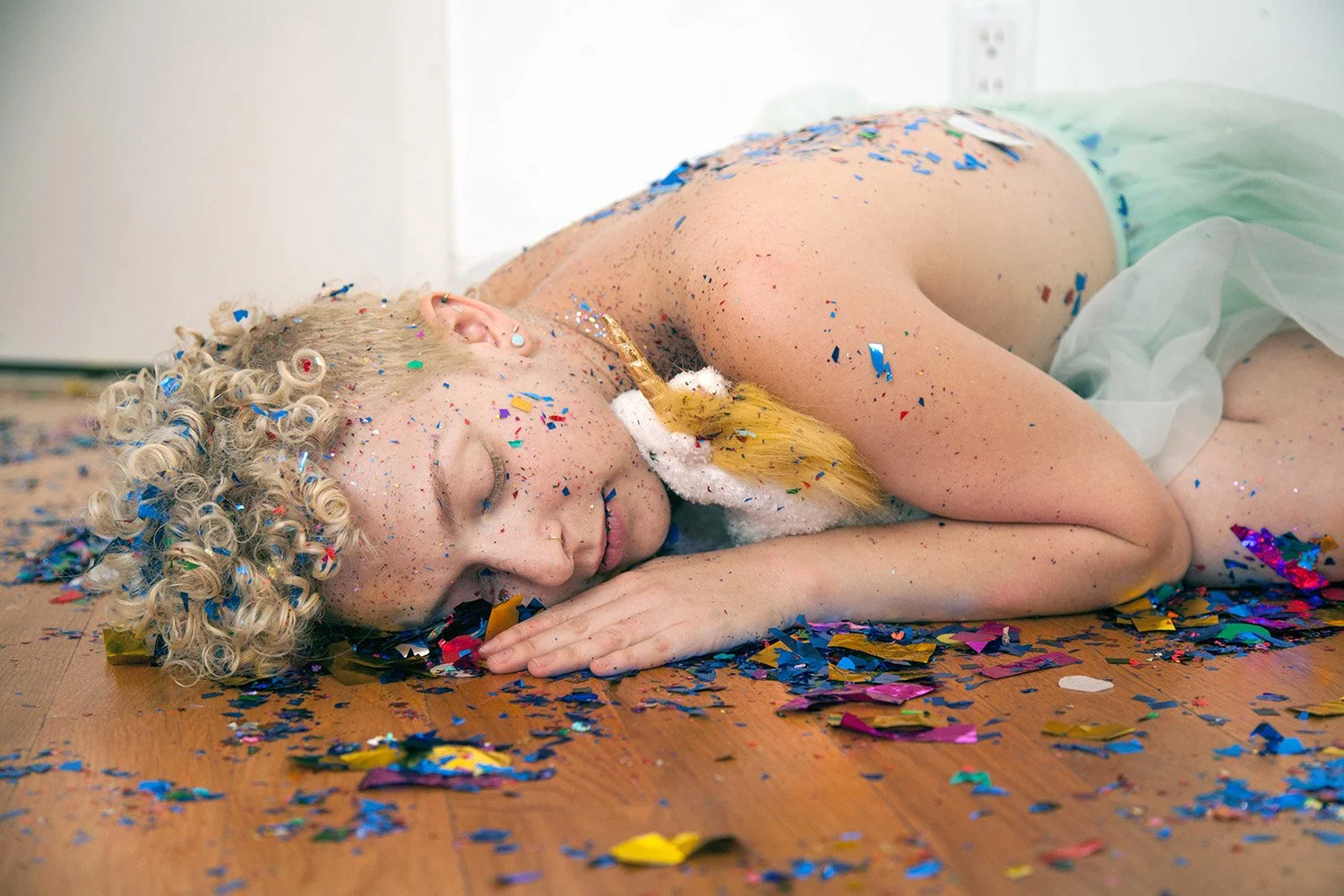

mess and find joy amidst the chaos, asking: what do you celebrate?
Living

-
Our language is inherently hierarchical and binary when we use words like "good" or "bad" and “right” or “wrong” to describe our feelings and experiences. In reality, we can - and often do - feel many things at once because many things can co-exist. We honor ourselves and the full spectrum of our human experience when we hold space for it all.
-
Humans seem to love control. Order satisfies our underlying need for it. Do we find security in labeling, doing, and fixing in hopes of feeling like we’re in control? It’s become a culturally accepted behavior to avoid making a mess. Maybe because life itself is never-endingly messy and unpredictable? The rigidity, perfectionism, pressure fuels a daily struggle between being a human vs. machine. When our entire existence is rooted in the unknown, our cultural coping mechanisms leave many feeling empty and unfulfilled at the end of the day, even when we complete our beloved to-do lists.
-
Humans tend to have a diabolical relationship with change that often results in resistance. Many cling to their comfort zones as a way of feeling safe yet embracing change is a powerful and necessary coping strategy in navigating life. It’s crucial for survival because it strengthens our adaptability, self-regulation and stabilization. As humans, we are constantly changing - both physically and internally. Because change is continual, there is always something we are working through and letting go to reconnect to the present.
-
It’s a universal truth that life is filled with unavoidable drawbacks and challenges yet we are taught to be pain-resistant. I’ve noticed that weathering life's adversity is how we evolve and learn about ourselves. Overcoming is how we experience our courage and ability firsthand. While we can't control when adversity arrives, we can slow down enough to discover its beauty and meaning through time. How we transform hardship into meaningful action and growth is a way of doing that. When we accept that challenge comes with being alive, our lives can become rich in continual purpose and growth.
-
At the end of the day, our lives have expiration dates. It's a challenging reality to accept: coming to terms with the fact that you and everyone you know and love will eventually die. I believe that the most beautiful thing about life is that it ends. The impermanence of human existence gives everything meaning. Cultivating a relationship with our mortality is an important step in acknowledging our humanity, our lifetime, and our purposes with the time we’re gifted here.
-
We all share the common struggle being in constant tension between being a human vs. machine, where we are continually conditioned to repress our emotions. When we feel, rest, slow down, experience pleasure, just be - most of us feel guilty that we’re not working, thinking, rushing, thinking, doing. In order to feel alive, we have to feel. That requires cultivating a relationship to your feelings and desires as you engage in the lifelong practice of honoring yourself wherever you are.

the problem
In 2024 - growing stress, technological speed, societal norms, oppressive systems, and mental health stigma has contributed to mass suffering being normalized. In a culture of disconnection, it can be a struggle to navigate the sheer demand of daily living, where it’s trendy to suppress feelings, seek relief, and be play deprived.
*compounded by the pandemic.


observations from someone that studies what it’s like to be alive right now:
-
Our language is inherently hierarchical and binary when we use words like "good" or "bad" and “right” or “wrong” to describe our feelings and experiences. In reality, we can - and often do - feel many things at once because many things can co-exist. We honor ourselves and the full spectrum of our human experience when we hold space for it all.
-
Humans seem to love control. Order satisfies our underlying need for it. Do we find security in labeling, doing, and fixing in hopes of feeling like we’re in control? It’s become a culturally accepted behavior to avoid making a mess. Maybe because life itself is never-endingly messy and unpredictable? The rigidity, perfectionism, pressure fuels a daily struggle between being a human vs. machine. When our entire existence is rooted in the unknown, our cultural coping mechanisms leave many feeling empty and unfulfilled at the end of the day, even when we complete our beloved to-do lists.
-
Humans tend to have a diabolical relationship with change that often results in resistance. Many cling to their comfort zones as a way of feeling safe yet embracing change is a powerful and necessary coping strategy in navigating life. It’s crucial for survival because it strengthens our adaptability, self-regulation and stabilization. As humans, we are constantly changing - both physically and internally. Because change is continual, there is always something we are working through and letting go to reconnect to the present.
-
It’s a universal truth that life is filled with unavoidable drawbacks and challenges yet we are taught to be pain-resistant. I’ve noticed that weathering life's adversity is how we evolve and learn about ourselves. Overcoming is how we experience our courage and ability firsthand. While we can't control when adversity arrives, we can slow down enough to discover its beauty and meaning through time. How we transform hardship into meaningful action and growth is a way of doing that. When we accept that challenge comes with being alive, our lives can become rich in continual purpose and growth.
-
At the end of the day, our lives have expiration dates. It's a challenging reality to accept: coming to terms with the fact that you and everyone you know and love will eventually die. I believe that the most beautiful thing about life is that it ends. The impermanence of human existence gives everything meaning. Cultivating a relationship with our mortality is an important step in acknowledging our humanity, our lifetime, and our purposes with the time we’re gifted here.
-
We all share the common struggle being in constant tension between being a human vs. machine, where we are continually conditioned to repress our emotions. When we feel, rest, slow down, experience pleasure, just be - most of us feel guilty that we’re not working, thinking, rushing, thinking, doing. In order to feel alive, we have to feel. That requires cultivating a relationship to your feelings and desires as you engage in the lifelong practice of honoring yourself wherever you are.
the problem
In 2024 - growing stress, technological speed, societal norms, oppressive systems, and mental health stigma has contributed to mass suffering being normalized. In a culture of disconnection, it can be a struggle to navigate the sheer demand of daily living, where it’s trendy to suppress feelings, seek relief, and be play deprived.
*compounded by the pandemic.



here to be human
real stories sharing: how has TCP impacted me?


